AP Euro Guides
Use this hub when AP Euro feels like one long argument among monarchs, reformers, and crowds. These guides break the course into turning points, source types, and essay decisions you can actually use.
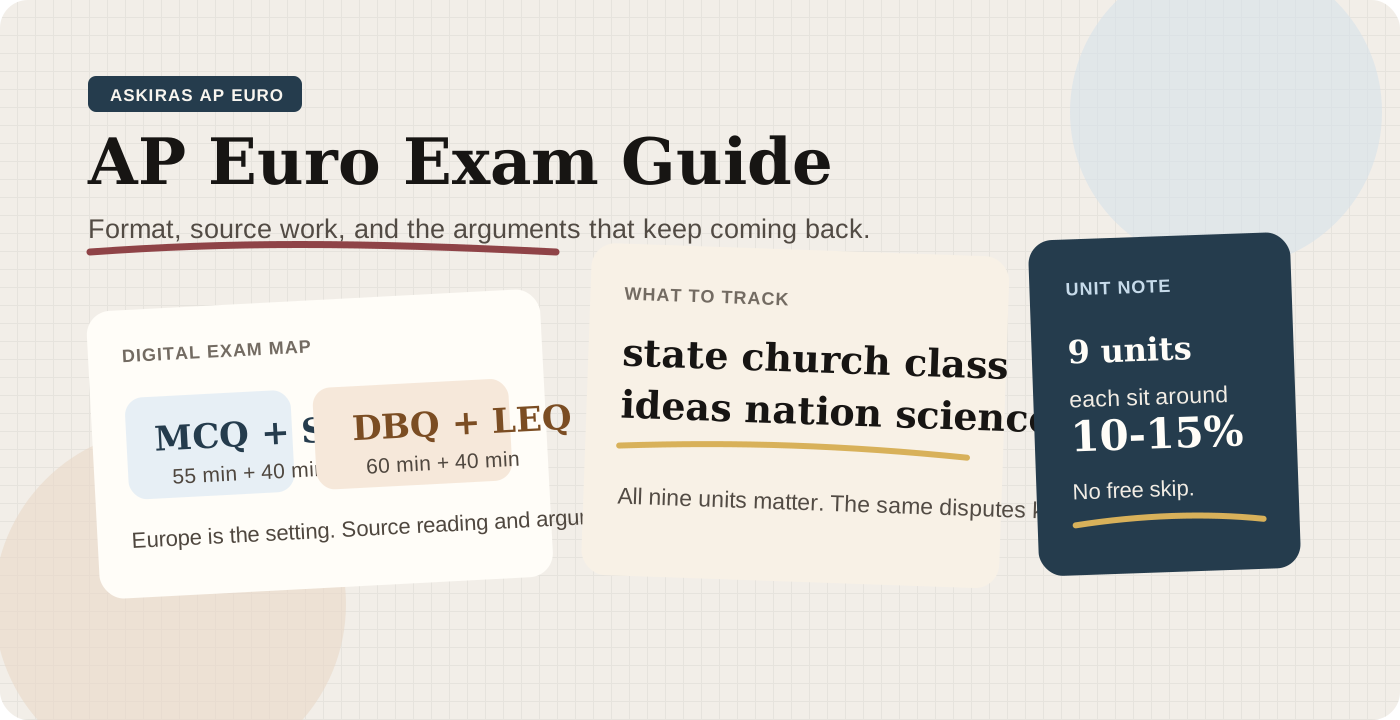
Source skill, not a tighter chronology
AP Euro scores hinge on what you do with sources, not on how many facts you remember. The redesign pushed the exam further into source-based MCQs, document analysis on the DBQ, and argument writing on the LEQ. Students who memorize a tight chronology of revolutions and reforms still lose DBQ points to a single document they characterized incorrectly, or to an essay that lists evidence instead of arguing with it.
These guides are built around that observation. The source-reading-MCQs guide names the moves graders reward (point of view, purpose, audience, historical situation). The DBQ and LEQ strategy guides focus on the rubric points that actually exist, not on the "fit everything I know" essays that read well but score poorly. The study-strategy guide pushes you toward source habits over flashcards because flashcards are not what is missing from your score.
If you only have time for one guide before your next AP Euro practice section, read the source-reading-MCQs one. Source skill carries directly into the DBQ.
Pick the AP Euro guide by the miss, not by the century
Featured guide
AP Euro Exam Guide: Format, Skills, and What to Practice
AP Euro feels dense when every ruler and reform blurs together. Start with the digital format, the recurring skills, and the study moves that actually pay off.
Read this first
Read these next
These AP guides connect the hub overview to the concrete scoring moves students practice most often.
Find the guide by scoring task
Use these when you know the task you keep missing and want the strongest guide first, then a second guide that reinforces the same move.
How to use this hub
Step 1
Use the exam guide if the digital format, unit spread, or writing sections still feel blurry.
Step 2
Then learn AP Euro the way the exam sees it: source reading, recurring political and intellectual debates, and period-to-period change.
Step 3
Move into a short AP Euro drill or writing set while the documents, prompts, and argument patterns are still fresh.
Other Askiras study hubs
If this is not the exam you are working on today, jump directly to another study hub.